

CLARIFY · BOTTLENECK ANALYSIS
Bottleneck analysis based on EKS (Mewes): the bottleneck first, then the AI
The bottleneck analysis shows which bottleneck is limiting your growth today and the two or three places where AI can make a difference to it. You receive a findings report and a 90-day roadmap with clear measures, at a fixed price.
30 minutes, free of charge. We work out whether the analysis is right for you.
The bottleneck analysis at a glance
- Who it is for
- owners and managing directors of retail, wholesale and service businesses with up to 150 employees who want to use AI but do not know where to start.
- What you get
- a findings report setting out the bottleneck, the target group, two or three starting points for AI, measures and the order of work. Plus a 90-day roadmap.
- How it works
- a strategy questionnaire in advance. A half-day working session with the owner or managing director, in Mallorca or by video call. Our analysis. A 60-minute closing meeting.
- Duration
- 2 to 3 weeks from the session date.
- What we need from you
- the owner or managing director takes part in person and completes the questionnaire before the session.
- Price
- €1,900 fixed price, plus VAT. If you commission implementation work within three months, we credit half of this. Travel outside Mallorca is shown separately in the proposal.
- Limits
- the analysis shows where to start. It does not build anything yet. We do not promise higher sales. Instead we agree measures you can use to check success for yourself.
What is the bottleneck-focused strategy (EKS)?
EKS (Engpasskonzentrierte Strategie, the bottleneck-focused strategy) was developed by the German management thinker Wolfgang Mewes. It holds that a business grows fastest when it concentrates its energy on the most pressing problem of its best target group. Working on many fronts at once dissipates that energy. The bottleneck is the factor that is holding things back most right now. Solving it gains you more than any improvement elsewhere.
EKS asks a fixed sequence of questions:
Where do your particular strengths lie?
In which line of business do those strengths hold the most promise?
Which target group in that field holds the most promise?
Which problem weighs on that target group most?
What solution can you offer for it that does not yet exist in this form?
Who will you work with to deliver it?
Which basic need of the target group will remain constant over time?
For AI projects, this means we choose the tool only once the bottleneck and the target group are clear. That way you use AI where it solves your bottleneck. Whether a tool happens to be fashionable does not matter.
How the bottleneck analysis works
Questionnaire You complete the strategy questionnaire in advance. It asks about your strengths, customers, offer and processes. That way we spend our time together on decisions rather than on taking stock.
Working session Half a day with you as owner or managing director, in Mallorca or by video call. We work through the seven EKS questions. We also look at the processes where your team loses the most time.
Analysis We distil the results into one bottleneck, one target group and two or three starting points for AI. For each starting point we set a measure.
Closing meeting In 60 minutes we go through the report and the roadmap. You decide what to take forward yourself and where you would like support.
What the findings report contains
- The bottleneck limiting your growth today, with the reasoning behind it.
- The target group that holds the most promise for you, and its most pressing problem.
- Two or three places where AI reduces that bottleneck. For each, a measure with a starting value, for example the time from enquiry to quote.
- Places where, in our assessment, AI is not worth it. That saves you from investing in the wrong things.
- A 90-day roadmap: what comes first, who is responsible and how you will see progress.
A measure with a starting value makes it visible later whether a solution works. Without one, every AI rollout remains a claim.
What comes after the analysis
With the roadmap you can carry on yourself. Or we build the first starting point as a pilot, at a fixed price. At a review point you can step out. If you commission the work within three months, we credit half the cost of the analysis.
Frequently asked questions about the bottleneck analysis
What is an EKS bottleneck analysis, and what does it do for AI projects?
The bottleneck analysis follows EKS, the bottleneck-focused strategy developed by Wolfgang Mewes. It looks for the one point that is holding back your growth most right now. That way you invest where it makes a difference, instead of introducing tools because they are fashionable. The result is a roadmap with clear measures.
How do I find out which process is the real bottleneck in my business?
Start with your customers, not your processes. Which customers bring you the most? What stops you winning or serving more of them? Where the answer gets stuck, that is your bottleneck. Often it is a process such as preparing quotes, planning or chasing queries; sometimes it is the target group itself. The analysis looks at both.
We already know which AI tool we want. Do we still need the analysis?
Not necessarily. If the bottleneck and the measure are clear, you can go straight to adoption or a pilot. We establish that in the free 30-minute call. The analysis is worthwhile when several ideas are competing and the budget only stretches to one.
Does the bottleneck analysis help with sales too?
Yes. It identifies the target group for which you have the best solution and shows where your sales process gets stuck. Two steps often follow. First, workflows that prepare enquiries and quotes. Second, a website that answers that target group's questions. The selling stays with you.
How much of the management team's time does the analysis take?
Allow about an hour for the questionnaire and half a day for the working session. The closing meeting takes 60 minutes. We do the analysis.
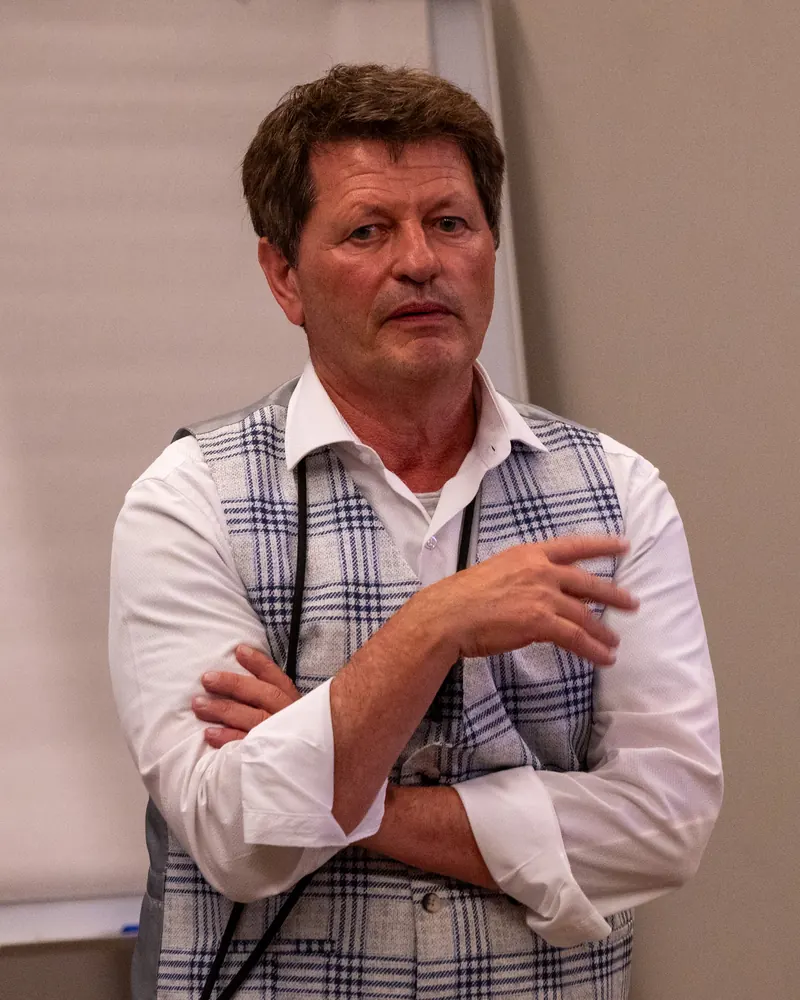
Reviewed on 27 November 2026 by Frank Semmig, founder of Team Jung. He completed the EKS course with Wolfgang Mewes in 1982, including a final examination, and his course certificate is signed by Wolfgang Mewes.
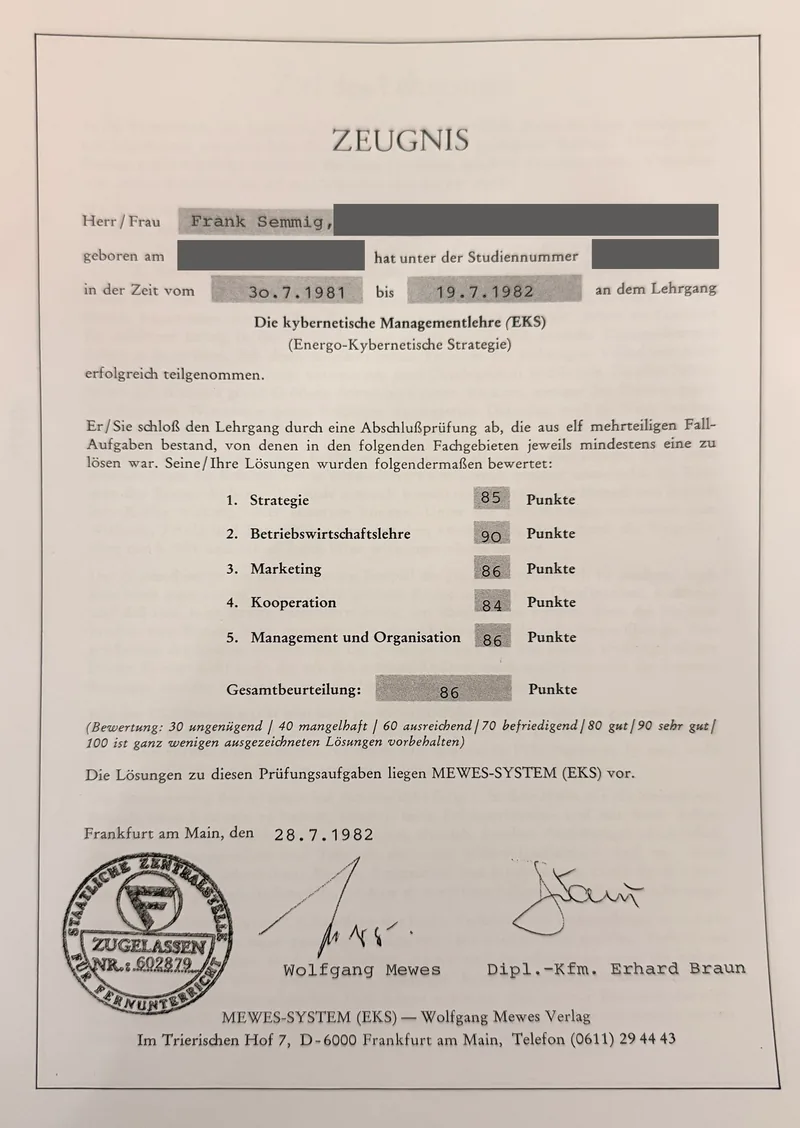
Document, 1982
Course certificate: EKS with Wolfgang Mewes
- Course
- 30 July 1981 to 19 July 1982
- Final examination
- 86 out of 100 points (good)
- Signed
- Wolfgang Mewes and Erhard Braun, Frankfurt am Main, 28 July 1982
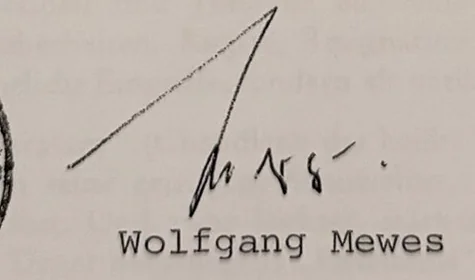
Signature of Wolfgang Mewes

Grading scale as stated on the document: 80 good, 90 very good. Personal data redacted. Original held by Frank Semmig.